
For decades, the narrative of Rwandan tourism was written in the mist. To visit Rwanda was to climb the Virunga volcanoes in search of mountain gorillas—a bucket-list experience, certainly, but one that often left the rest of the country’s diverse landscapes in the shadows. By 2026, however, the script has flipped. Akagera National Park, once a casualty of civil unrest and ecological depletion, has emerged as the definitive “Big Five” success story of Central Africa, recently earning a prestigious spot on National Geographic “Best of the World” list.
What makes Akagera the trending topic of 2026 isn’t just that you can see a lion or a rhino; it is the rare “water-and-savannah” tapestry that creates a safari experience unlike any other on the continent.

A Resurrection in the Long Grass
To understand why Akagera is trending, one must appreciate the scale of its comeback. In the late 1990s, the park was a shell of its former self; lions were gone, rhinos were extinct in the region, and the park’s boundaries had been drastically reduced.
Today, under the management of African Parks and the Rwanda Development Board (RDB), Akagera is a fortress of conservation. The 2021 reintroduction of 30 southern white rhinos was a milestone, but the momentum didn’t stop there. In mid-2025, a landmark translocation of 70 additional white rhinos—the largest cross-continental move of its kind—solidified Akagera as a global rhino stronghold. When you track a rhino here in 2026, you aren’t just a tourist; you are witnessing a miracle of modern rewilding.
The Magic of the Mosaic: Water Meets Wild
Most African safaris offer either endless plains or lush delta waterways. Akagera offers both in a single gaze. This “mosaic” ecosystem is the park’s greatest aesthetic draw.
- The Savannah North: In the Kilala Plains, the landscape opens into classic golden grasslands. This is the hunting ground for the park’s thriving lion prides and the preferred grazing territory for the newly established white rhino populations.
- The Wetland South: The southern sector is dominated by a complex network of lakes—the largest being Lake Ihema—and papyrus swamps. This is where the “water safari” comes to life.
Taking a boat cruise at sunset is now considered a mandatory Akagera experience. As the sun dips behind the Mutumba Hills, travelers drift past some of Africa’s densest concentrations of hippos and massive Nile crocodiles. For birders, it is a pilgrimage site; the park hosts over 480 species, including the prehistoric-looking Shoebill Stork, which stalks the papyrus fringes.
The New Standard of African Luxury
As the park’s reputation has grown, so has its hospitality. Akagera has successfully avoided the “mass tourism” trap, opting instead for intimate, high-impact lodging that blends seamlessly into the environment.

- Wilderness Magashi Peninsula: Opened in late 2025, this ultra-luxury retreat in the park’s private northern concession offers six sprawling tented suites. It provides guests with exclusive access to the most remote wildlife viewing areas, including night drives where the elusive leopard is frequently spotted.
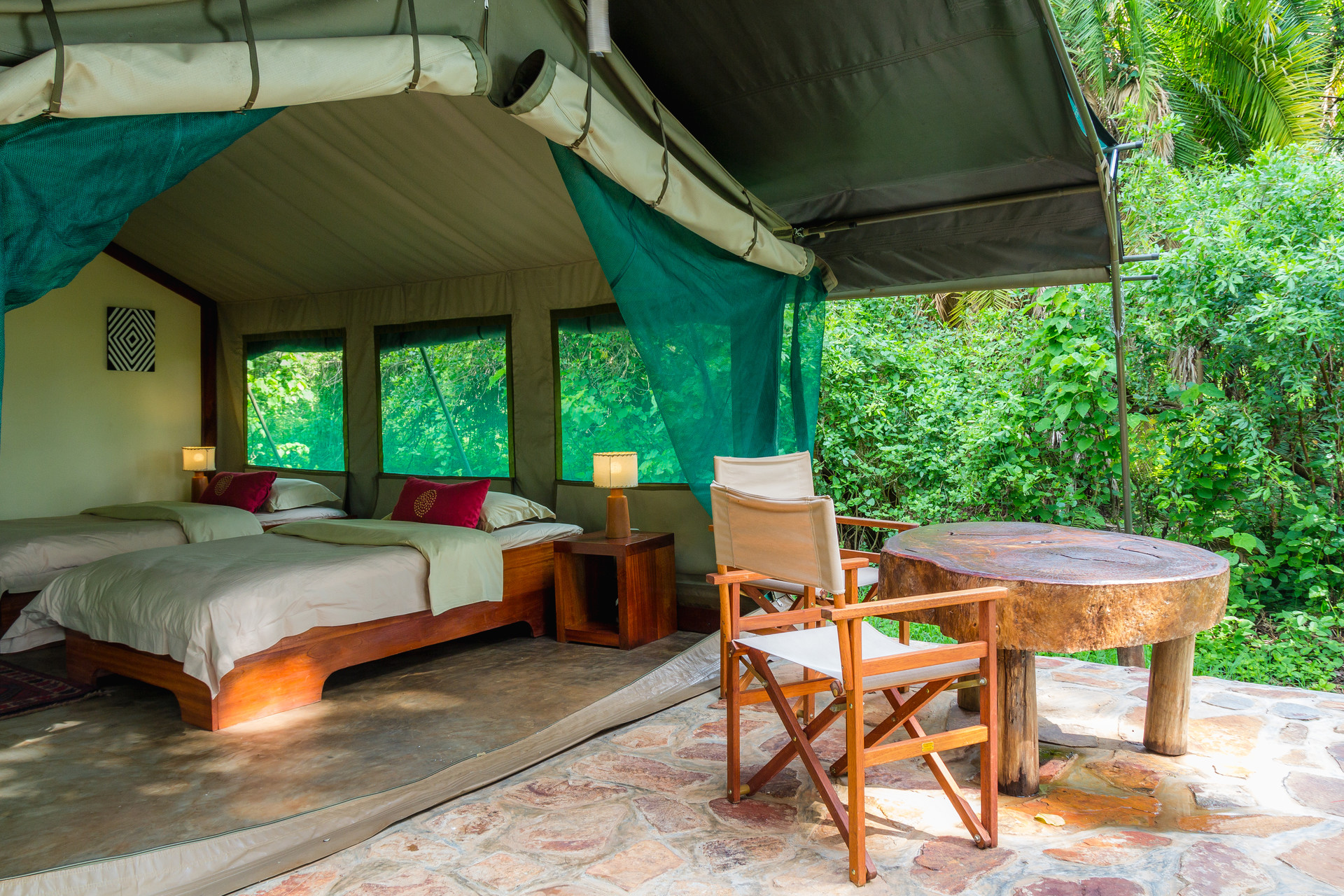
- Ruzizi Tented Lodge: For those seeking eco-conscious sophistication, Ruzizi remains a favorite. Tucked into a forest of palms and fruiting fig trees on the edge of Lake Ihema, the lodge is entirely solar-powered and built with a light footprint that respects the surrounding hippos.
- Karenge Bush Camp: This seasonal “glamping” experience offers a raw, off-the-grid connection to the wilderness, perfect for those who want to hear the roar of a lion from their bedside.
Why 2026 is the Year to Go
The “National Geographic effect” has certainly increased global interest, but Akagera remains a sanctuary of relative solitude. Unlike the crowded vehicle circuits of the Serengeti or the Maasai Mara, Akagera offers an intimate encounter with nature.
Furthermore, the park has become a model for community-led tourism. A full 10% of park revenue is funneled back into local community projects, such as the Gishanda Fish Farm. Travelers in 2026 are increasingly seeking this “circular” impact—knowing that their safari directly funds the protection of the very animals they’ve come to see.
The Final Word
Akagera National Park is no longer the “underdog” of African safaris. It is a vibrant, thriving testament to what is possible when political will meets conservation expertise. Whether you are navigating the hippos of Lake Ihema by boat or tracking the Big Five across the northern plains, Akagera offers a glimpse of a wilder, more hopeful world.