
Uganda is a beautiful country known for its stunning landscapes, diverse wildlife, and rich cultural heritage. Here are some famous attractions you might want to explore in Uganda.
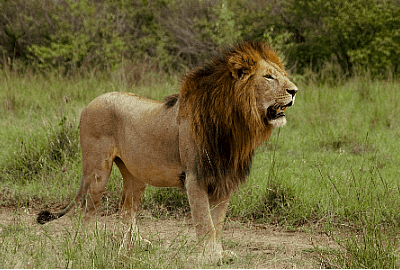
1.Queen Elizabeth National Park: This is one of Uganda’s most popular national parks, known for its diverse ecosystems and abundant wildlife, including elephants, lions, hippos, and various bird species. The park also features stunning views of the Albertine Rift.
Birdwatchers will appreciate the variety, which includes both migratory and resident species, making it a prime spot for birding tourism.
The park features a mix of savanna, wetlands, and forests. It includes the Kazinga Channel, which connects Lake George and Lake Edward, providing an excellent location for boat safaris where visitors can see hippos, crocodiles, and various birds up close.
Some of the activities in Queen Elizabeth national park include Game drives, Boat cruises, Bird watching, Nature walks and cultural Encounters.
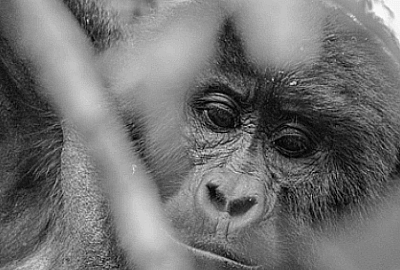
2. Bwindi Impenetrable National Park: A UNESCO World Heritage Site, Bwindi is famous for its mountain gorillas. Visitors can participate in gorilla trekking experiences to observe these incredible creatures in their natural habitat.
The park is also rich in bird life, boasting more than 350 bird species. Birdwatchers can find several endemic species unique to the Albertine Rift region.
In addition to mammals and birds, Bwindi is home to numerous species of butterflies, reptiles, and plants, making it a hotspot for biodiversity.
One of the main attractions of Bwindi is gorilla trekking. Visitors can embark on guided treks to observe mountain gorillas in their natural habitat, which is both a thrilling and humbling experience.
The park is home to several habituated gorilla families, and trekking permits must be obtained in advance due to limited availability.
Cultural Significance
The park is also significant culturally, with several local communities living around its borders, including the Bakiga and Batwa peoples. Visitors can learn about their traditions, customs, and way of life, enhancing the overall experience.
Besides gorilla trekking, visitors can participate in nature walks, bird watching, and cultural experiences with local communities. The park offers trails of varying difficulty levels for hiking enthusiasts.
3. Murchison Falls National Park:
Murchison Falls National Park, located in northwestern Uganda, is one of the country’s largest and most impressive national parks. It is named after the spectacular Murchison Falls, where the Nile River dramatically squeezes through a narrow gorge before cascading down a series of waterfalls.
Home to the powerful Murchison Falls on the Nile River, this park offers opportunities for wildlife safaris and boat cruises. You can see animals like giraffes, elephants, and various bird species.
While rhinos are not present in the park, it offers opportunities to see four of the “Big Five” elephants, lions, leopards, and buffaloes.
The falls themselves are the park’s centerpiece, offering stunning views and the opportunity for boat tours on the Nile. The surrounding area is also great for hiking and photography.
Nile River Cruises: Boat safaris along the Nile provide excellent opportunities for wildlife viewing and bird watching, particularly around the riverbanks.
Game Drives: Visitors can enjoy guided game drives to spot various wildlife in their natural habitat.
Bird watching: The park is a paradise for bird enthusiasts, with opportunities to see both common and rare species.
Cultural Experiences: Interactions with local communities can enhance your visit, providing insights into the culture and traditions of the people living near the park.
4.Lake Victoria:
Lake Victoria, located in East Africa, is the second-largest freshwater lake in the world by surface area. It is bordered by three countries: Uganda to the north, Kenya to the east, and Tanzania to the south. Lake Victoria is a great place for relaxation, fishing, and boating. The surrounding islands, like the Ssese Islands, offer beautiful beaches and a chance to escape the hustle of the mainland.
Fishing: Fishing is a vital economic activity for millions of people living around the lake. The fish, particularly the Nile perch, is an important source of food and income.
Agriculture: The surrounding fertile areas support agriculture, with crops like bananas, cassava, and sugarcane being cultivated.
Tourism: Lake Victoria attracts tourists for activities such as boating, fishing, and bird watching, as well as experiencing local cultures and wildlife.
Local Communities: Numerous ethnic groups live along the shores of Lake Victoria, each with their own traditions and cultures. The lake plays a crucial role in their daily lives and livelihoods.
Lake Victoria is a vital natural resource with immense ecological, economic, and cultural importance for the East African region.
5. Jinja:
Jinja is a vibrant city located in southeastern Uganda, near the source of the Nile River. It is known for its rich history, cultural significance, and natural beauty. Known as the adventure capital of Uganda, Jinja is where the Nile River begins its journey from Lake Victoria. Activities such as white-water rafting, bungee jumping, and kayaking attract thrill-seekers.
Source of the Nile: One of the main attractions in Jinja is the Source of the Nile, where visitors can take boat trips and enjoy the stunning scenery.
Adventure Activities: Jinja is famous for adventure tourism, particularly white-water rafting, kayaking, and zip-lining across the Nile.
Cultural Sites: Visitors can explore historical sites, such as the Jinja Museum and the nearby Bujagali Falls.
Local Markets: The city’s bustling markets offer a variety of local goods, crafts, and fresh produce, providing a glimpse into the daily life of the residents.
 Rwanda Luxury Safaris