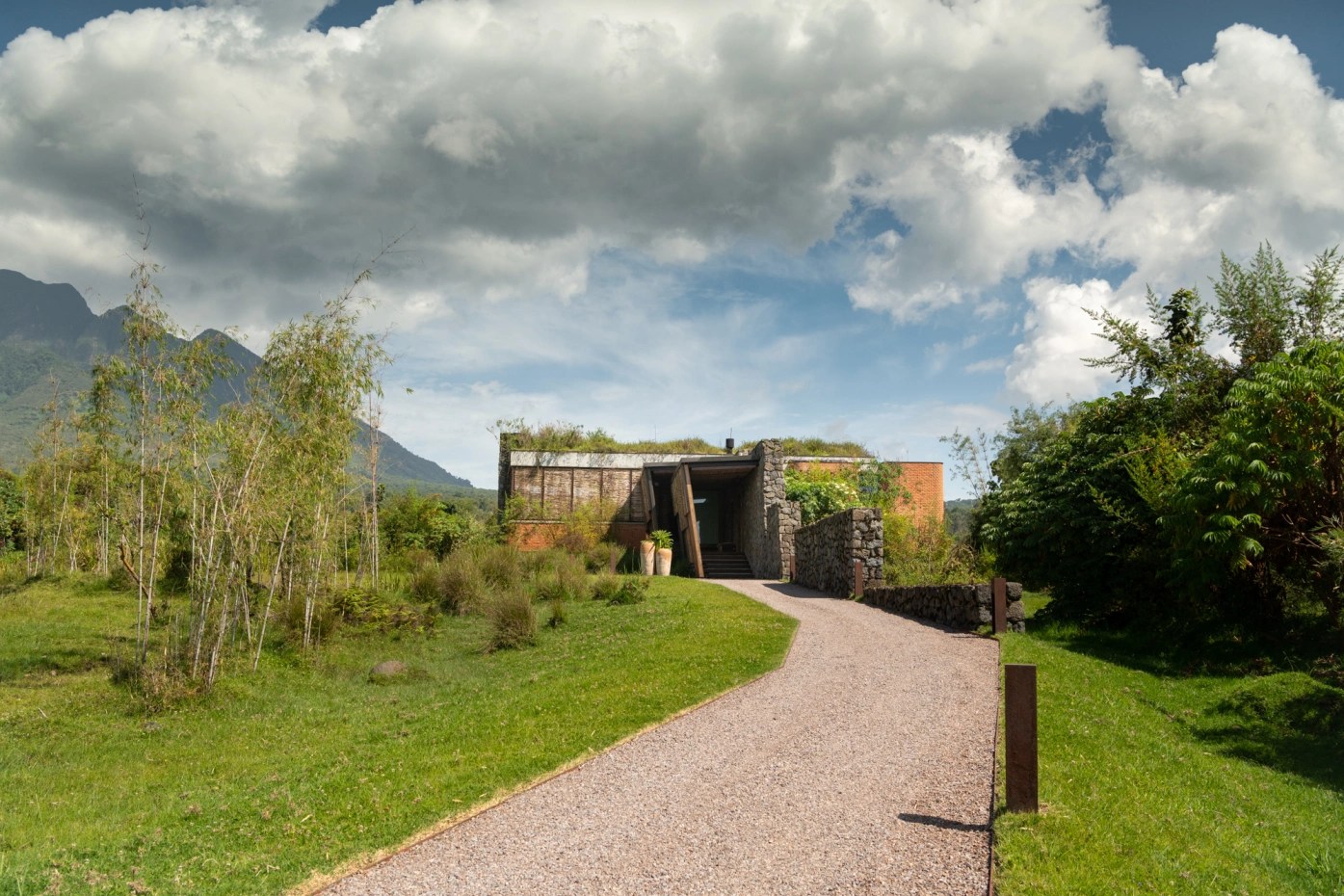
Rwanda is a country with a rich culture, history, and natural beauty that contributes to its uniqueness. Known as the “Land of a Thousand Hills,” Rwanda features beautiful rolling hills, lush valleys, and stunning lakes. The scenery ranges from volcanic mountains in the north to savannahs and wetlands in other regions.
Rwanda is known for its commitment to cleanliness and environmental sustainability. The government promotes community clean-up events, such as Umuganda, which occurs monthly and encourages citizens to engage in community service.
Rwanda’s tourism is unique due to a combination of its stunning natural landscapes, rich wildlife, cultural heritage, and commitment to sustainability and community engagement.
The uniqueness of Rwanda’s Tourism
Mountain Gorilla Trekking: Rwanda is one of the few places in the world where visitors can trek to see endangered mountain gorillas in their natural habitat, primarily in Volcanoes National Park. This experience is not only thrilling but also supports conservation efforts.
Biodiversity: In addition to its mountain gorillas, Rwanda boasts diverse wildlife, including numerous bird species, monkeys, and other unique flora and fauna. National parks like Akagera and Nyungwe are vital for conservation and ecotourism. Rwanda boasts a variety of ecosystems, from volcanic mountains and rain-forests to savannas and wetlands. This biodiversity allows for a wide range of activities, including hiking, bird watching, and wildlife safaris in national parks.
Conservation and Sustainability: The Rwandan government has implemented strong conservation policies that prioritize ecological sustainability. Tourists are encouraged to participate in responsible tourism practices, which help protect wildlife and the environment.
Cultural Experiences: Rwanda offers rich cultural experiences through traditional music, dance, crafts, and storytelling. Visitors can engage with local communities, learn about their customs, and participate in cultural festivals, providing an authentic glimpse into Rwandan life.
Historical and Educational Tourism: Rwanda’s recent history, particularly the 1994 genocide, is an essential aspect of its identity. Sites such as the Kigali Genocide Memorial provide educational opportunities for tourists to learn about the country’s past, resilience, and journey towards reconciliation.
Community-Based Tourism: Many initiatives focus on community engagement, allowing tourists to stay with local families, participate in community projects, and experience everyday life in Rwandan villages. This approach helps empower communities economically and socially.
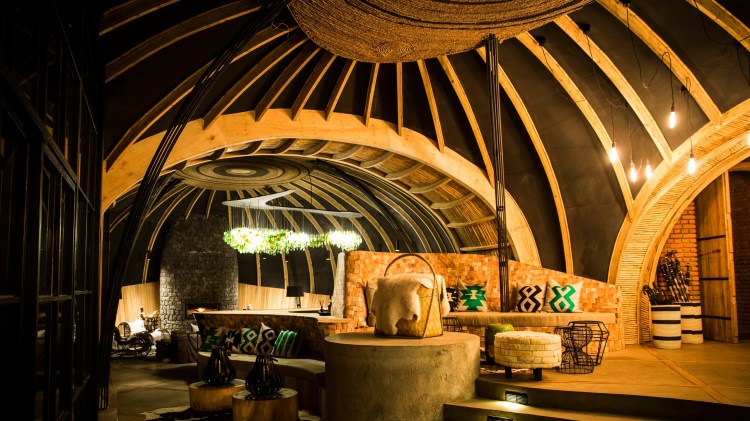
Eco-Lodges and Sustainable Accommodation: Rwanda is home to eco-friendly lodges and accommodations that prioritize sustainability, offering luxurious experiences while minimizing environmental impact. This attracts tourists who value eco-conscious travel.
Safety and Cleanliness: Rwanda is often praised for its safety and cleanliness, making it an attractive destination for travelers. The government’s efforts to maintain order and cleanliness resonate well with tourists looking for a safe travel experience.
Adventure Activities: Beyond wildlife viewing, Rwanda offers various adventure activities, such as white-water rafting, mountain biking, and hiking in the scenic terrain, appealing to thrill-seekers and outdoor enthusiasts.
5 Incredible Tourism stops in Rwanda
1. Volcanoes National Park: This is a National park famous for its population of mountain gorillas. Trekking through the lush forests to see these magnificent creatures is a once-in-a-lifetime experience. The park is also home to other primates like Golden Monkeys and offers stunning views of the Virunga Mountains.
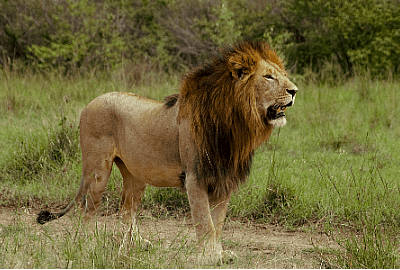
2. Akagera National Park: A beautiful savannah park that offers a different experience from the rainforest of Volcanoes National Park. Visitors can go on game drives to see lions, elephants, giraffes, zebras, and various antelope species. Akagera also has lakes that are excellent for boat safaris.
3. Nyungwe Forest National Park: Known for its rich biodiversity, Nyungwe is one of the oldest rainforests in Africa. It is a great place for chimpanzee trekking, bird watching, and exploring numerous hiking trails, including the famous Canopy Walkway, which offers spectacular views of the forest.
4. Kigali Genocide Memorial: An essential stop for understanding Rwanda’s history, this memorial commemorates the victims of the 1994 genocide. It provides powerful insights into the past and the country’s journey towards healing and reconciliation.
5. Lake Kivu: One of Africa’s Great Lakes, Lake Kivu is known for its beautiful beaches and serene atmosphere. Visitors can enjoy activities such as kayaking, boating, or relaxing at lakeside resorts in towns like Gisenyi and Kibuye.
These stops highlight the diverse experiences that Rwanda has to offer, from breathtaking landscapes and abundant wildlife to deep cultural and historical insights. Each destination offers a unique aspect of Rwandan life and nature, making it a remarkable place to explore.
In conclusion, these elements make Rwanda a distinctive destination that offers more than just typical tourist experiences, ensuring that visitors leave with lasting memories and a deeper understanding of the country’s culture and natural beauty.
 Rwanda Luxury Safaris