
Rwanda is renowned for its rich biodiversity and is home to several primate species, making it a popular destination for ecotourism and wildlife enthusiasts. Primates in Rwanda include Mountain gorillas and Chimpanzees.
Rwanda is famous for the Virunga Mountains, which are home to approximately half of the world’s remaining mountain gorilla population. The Volcanoes National Park is a primary location for gorilla trekking, allowing visitors to observe these magnificent creatures in their natural habitat.
Another famous National park in Rwanda known to be home for Primates Chimpanzees in their natural environment is Nyungwe National park. This provides various habitats for different primate species. Nyungwe is particularly noteworthy for its extensive forest cover and diverse ecosystems.
Volcano National park

Volcanoes National Park (Parc National des Volcans) is one of Rwanda’s most famous natural attractions, known for its stunning landscapes, rich biodiversity, and significant conservation efforts.
The park is part of the Virunga Mountain range, which includes several dormant and active volcanoes such as Mount Karisimbi, Mount Bisoke, and Mount Muhabura. It features lush montane forests, bamboo stands, and volcanic landscapes, making it a unique ecosystem.
Home to the Endangered Mountain Gorilla, the park is one of the last refuges for the critically endangered mountain gorilla, with several habituated groups that visitors can trek to see.
Mountain gorillas is the primary attraction of the park, allowing visitors to experience guided treks through the dense forests to observe these magnificent creatures in their natural habitat. Due to extensive conservation efforts, the mountain gorilla population has been gradually increasing, highlighting successful community involvement and tourism initiatives.
Besides mountain gorillas, the park is also home to other primate species, including golden monkeys, which are unique to the region. A variety of other wildlife, including birds, elephants, buffaloes, and diverse plant species, contribute to the park’s ecological richness.
Activities
Gorilla Trekking: This is the main draw and is conducted under strict guidelines to ensure minimal disturbance to the animals.
The trekking begins early in the morning, with briefing sessions conducted by park rangers who provide important guidelines and safety information.
Hikes can range from a short walk to several hours, often depending on the location of the gorilla family you are assigned to visit. The terrain can be steep and challenging, so a good level of fitness is beneficial. Once the gorillas are located, visitors spend one hour observing and interacting with them while maintaining a safe distance as advised by the guides.
Golden Monkey Tracking: This is another exciting wildlife experience that allows visitors to observe the playful and vibrant golden monkeys in their natural habitat. These beautiful primates are endemic to the Virunga Mountains and are known for their striking coloration and lively behavior.
Hiking and Mountaineering: Adventurous individuals can hike to the summits of the various volcanoes for breathtaking views of the surrounding landscapes. Some of Volcanoes in this park include, Bisoke, Karisimbi, Muhabira, and Gahinga.
Dian fossey grave Hiking. This is a unique and enriching experience for those interested in gorilla conservation, wildlife research, and the legacy of one of the world’s most famous primatologists Dian Fossey.
Dian Fossey was an American zoologist and primatologist known for her groundbreaking research on mountain gorillas in Rwanda. She dedicated her life to studying these animals and advocating for their protection.
Fossey established the Karisoke Research Center in 1967, which became a key site for gorilla research and conservation efforts.
Nyungwe National park
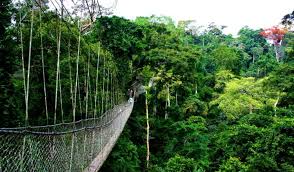
Nyungwe National Park, located in southwestern Rwanda, is renowned for its rich biodiversity and is one of the oldest rain forests in Africa. It is especially famous for its primate populations, making it a prime destination for wildlife enthusiasts.
Among the primates present in this park include
Chimpanzees: Chimpanzees are highly intelligent, social animals, known for their complex behaviors and vocalizations.
Colobus Monkeys: The Angolan Black-and-white Colobus (Colobus angolensis) is one of the park’s most iconic residents. Known for their striking black and white fur and long tails, these monkeys are often seen in large troops.
L’Hoest’s Monkeys: This species, also known as L’Hoest’s guenon, is another highlight. They have a distinctive dark fur with a cream-colored mustache and throat patch. They are arboreal and often found in the forest canopy.
Blue Monkeys: The Blue Monkey is characterized by its blue-gray fur and white cheek patches. They are social creatures that live in groups and are often seen foraging in the trees for fruits and leaves.
Silver Monkeys: Closely related to the Blue Monkey, the Silver Monkey is known for its silver-gray fur and playful behavior. They are also known for their acrobatic skills in the trees.
Activities in Nyungwe.
Chimpanzee Tracking: Nyungwe is home to a significant population of chimpanzees. Trekking through the forest to see these fascinating primates in their natural habitat is one of the top attractions.
Canopy Walk: The Canopy Walk is a suspended bridge that gives you a bird’s eye view of the rainforest. It’s one of the most unique and exhilarating experiences in the park.
Bird Watching: Nyungwe is a paradise for bird watchers, with over 300 bird species recorded, including some endemics like the Grauer’s Swamp Warbler and the Rwenzori Turaco. The Park’s diverse habitats, from dense forests to wetlands, attract a wide range of bird species, making it an exciting destination for bird enthusiasts.
Forest Walks & Nature Trails: Nyungwe has numerous walking trails that allow you to explore the park’s diverse ecosystems and wildlife, including the forest’s unique flora, fauna, and the stunning waterfalls
In Conclusion: Rwanda’s commitment to wildlife conservation, coupled with its stunning landscapes and rich primate diversity, makes it a remarkable destination for those interested in primatology and nature. Efforts to protect these species not only enhance biodiversity but also support sustainable development in the region.
 Rwanda Luxury Safaris